
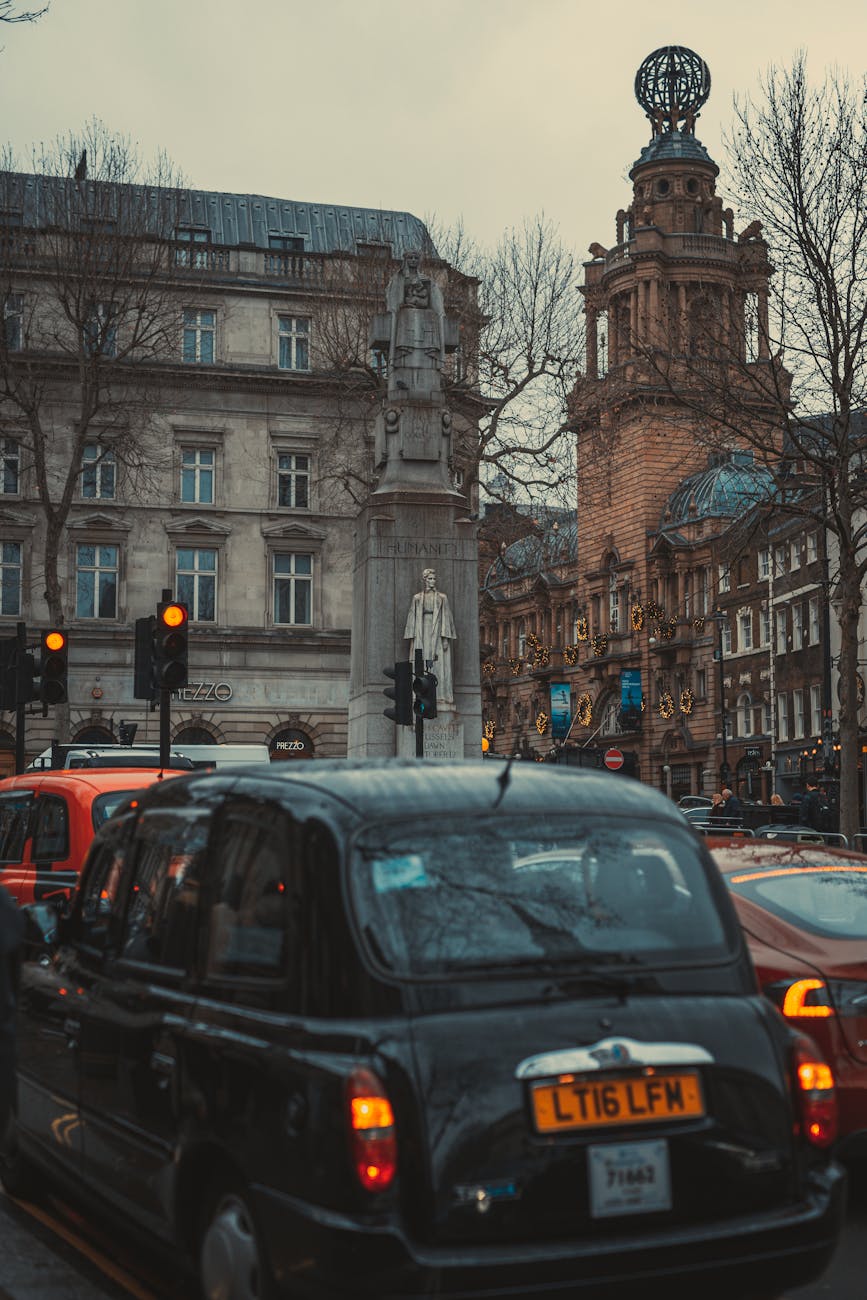
Alright, let’s cut to the chase. You’re planning a trip to London with your little humans, and your brain is already melting under the weight of logistical questions. The car seat thing? It’s usually right up there, isn’t it? I remember the panic attacks I had, endlessly scrolling forums at 3 AM, trying to figure out if I needed to drag my massive car seat from Heathrow to central London. It felt like a mission impossible before I even stepped on the plane.
So, here’s the deal: That nagging question about car seats in London’s iconic black cabs? It’s a valid one. And the answer might surprise you, saving you a whole lot of backache and stress. Let’s get into it.
The Black Cab Car Seat Lowdown: No, You Don’t Need One (Usually!)
Okay, deep breath. Here’s the punchline: When you hop into one of those classic London black cabs (the Hackney Carriages), car seats are generally *not* legally required for children. You heard that right. It’s a different kettle of fish compared to your car at home or even a private hire vehicle.
This rule exists for a reason, and it’s all about practicality. Black cabs are designed for quick, on-demand transport, often hailed right off the street. Expecting every cabbie to carry a selection of child seats just isn’t feasible. The law acknowledges this unique operating model, offering a bit of flexibility for parents on the go. For children over three, they can simply wear an adult seatbelt. For children under three, they travel without a car seat and without a seatbelt, which sounds wild but is the legal standard for licensed taxis.
Why This Rule Exists (and Why It Matters)
This isn’t some weird loophole; it’s a specific exemption under UK law for licensed taxis. It means you can wave down a black cab, pile your family in, and be on your way without wrestling with a car seat. Believe me, that’s a godsend when you’re tired, it’s raining, and your kids are melting down.
However, it’s crucial to understand the distinction. This exemption applies to *licensed taxis* – the black cabs you hail. If you’re booking a private hire vehicle (like an Uber or a minicab through an app), the rules typically revert to standard car seat laws. That means if your child usually needs a car seat, they’ll need one in a private hire car. Many private hire companies offer child seats if you book in advance, but you *must* specify it when you book. Don’t assume. Always double-check and confirm before you commit.
When Car Seats ARE a Good Idea (Even If Not Required)
Just because it’s not legally required doesn’t mean you shouldn’t consider it. Safety is always paramount, and a taxi ride, while often short, is still a journey. If you’re planning a longer trip, perhaps to an out-of-town attraction or navigating a motorway, you might feel more comfortable with your child in a proper car seat.
For these situations, you have options. You could bring your own portable travel car seat or a booster seat, though this adds bulk to your luggage. Alternatively, many private car services specifically cater to families and can provide pre-installed car seats for an extra fee (think around £10-25 per seat). Researching these services ahead of time can save you a huge headache and provide peace of mind for those specific journeys. Just remember, for the quick hop in a black cab across town, you’re officially off the hook.
Navigating London with Kids Beyond Black Cabs
Black cabs are fantastic for convenience, especially when your legs are giving out. But they can get pricey, fast. London’s public transport system, while sometimes a beast, is also incredibly comprehensive and often your best friend for getting around with kids. Embrace it, but prepare for it.
The Tube: Your Love-Hate Relationship
The Underground, or ‘The Tube,’ is iconic, fast, and covers most of the city. You’ll use it. A lot. But let me be real: it’s not always stroller-friendly. Many stations have stairs, escalators, and sometimes, a whole lot of both. The TFL (Transport for London) website and their journey planner are indispensable. They have a ‘step-free’ option that highlights routes accessible without stairs, often using lifts or ramps. Focus on lines like the Jubilee and Elizabeth lines, which are generally newer and more accessible.
Avoid rush hour like the plague (around 7:30-9:30 AM and 5:00-7:00 PM). It’s packed, hot, and an absolute nightmare with kids and a stroller. Aim for mid-morning or late afternoon travel to keep your sanity intact. Also, teach your kids about the ‘gap’ between the train and the platform. It’s bigger than you think and can easily trip little feet.
Buses: The Underrated Hero
Seriously, don’t sleep on London’s buses. They are often far more stroller-friendly than the Tube, with dedicated spaces for buggies (though sometimes limited, especially on older buses). Plus, sitting on the top deck offers incredible, cheap sightseeing opportunities. My kids loved pointing out landmarks from up high.
You can’t pay with cash on buses, so make sure you have an Oyster card or use a contactless payment card/device. Individual fares are usually around £1.75, with daily caps. Routes like the 9, 15, or 24 pass many major attractions and give you a lovely tour for the price of a standard fare. They can be slower than the Tube due to traffic, but sometimes the calmer pace and open views are exactly what you need with antsy kids. Look for routes that minimize changes to keep things simple.
Walking: Embrace It (With Limits)
London is surprisingly walkable, and it’s often the best way to soak in the atmosphere. You’ll stumble upon hidden gems, charming mews, and fantastic photo ops. But those distances can be deceptive. A ten-minute walk on a map can feel like an hour with tiny legs and endless questions.
Plan your walking routes carefully. Break them up with park visits (London has incredible parks!), snack breaks, or even a quick hop on a bus for a few stops. Comfortable shoes are non-negotiable for everyone. And for the love of sanity, always have snacks and water. Always. A lightweight, easily maneuverable stroller or carrier for younger kids will be your best friend when those little legs give out. Don’t push them too hard; a tired, grumpy kid makes for a miserable parent.
The London Parent’s Survival Checklist
- Oyster Card/Contactless Payment: Essential for Tube and bus travel. Top it up, or use your bank card/phone.
- Snacks & Water: Lifesavers for meltdowns, unexpected delays, and general kid-energy depletion.
- Portable Charger: For your phone (maps, tickets, entertainment) and any kid devices.
- Small First-Aid Kit: Plasters, antiseptic wipes, pain relief. Bumps and scrapes happen.
- Change of Clothes: For younger kids, especially. Spills and accidents are inevitable.
- Small Entertainment: A tiny toy, drawing pad, or pre-downloaded game for waiting times.
- Offline Maps: Download maps of London to your phone. Signal can be patchy on the Tube.
- Hand Sanitizer: You’ll be touching a lot of public surfaces.
- Lightweight Stroller/Carrier: Prioritize maneuverability and easy folding for public transport.
FAQ: Real Parent Questions, Real Answers
Q: Where can I find baby-changing facilities in London?
A: Your best bets are large department stores like John Lewis, Marks & Spencer, and Selfridges. Most major museums and larger family attractions also have good facilities, often clearly signposted. Don’t count on every small cafe or pub having one; many only have small, standard loos. A quick check of an attraction’s website before you go can save you a scramble. Sometimes, facilities will be within an ‘accessible toilet’ or ‘disabled toilet’ area, so look for those signs too.
Q: Can I bring a stroller inside London attractions?
A: Generally, yes, but be prepared for some limitations. Security checks are common, and in very crowded places like Westminster Abbey during peak times, you might be asked to fold your stroller or leave it in a cloakroom. Smaller, more compact strollers are much easier to navigate through crowded exhibits and narrow passages. If you have a massive buggy, consider leaving it at your accommodation for some days and using a carrier instead.
Q: Is the Tube safe with kids late at night?
A: For the most part, yes, the Tube is safe, especially on the main lines and around central areas. Stations are usually well-lit and often have staff present. Common sense applies: avoid deserted platforms if you can, stay aware of your surroundings, and try to travel in carriages with other people. If you’re heading back very late to a quieter residential area, or feel uncomfortable, a black cab might be a better, albeit more expensive (expect around £20-40+ for a late night journey), option for door-to-door convenience and peace of mind.
Q: Are there any playgrounds near major tourist spots?
A: London is fantastic for playgrounds! You’re rarely far from one. Hyde Park is home to the incredible Princess Diana Memorial Playground (think pirate ship!), and Regent’s Park, St. James’s Park, and Hampstead Heath all have great options. Even smaller city squares often have swings and slides. A quick search on Google Maps for “playground near [attraction name]” will usually reveal a much-needed energy-burning spot for the kids.
Q: How do I handle motion sickness on buses or the Tube?
A: Oh, the dreaded motion sickness! Come prepared. Always have a few plastic sick bags stashed in your day bag. Ginger sweets, travel bands, or even a small, light snack before travel can sometimes help. On buses, try to get a front seat for fresh air and a forward view. On the Tube, it’s harder due to lack of windows, so distraction is key – audiobooks, quiet games, or just pointing out things on the map can sometimes do the trick. Knowing your child’s triggers and avoiding heavy meals right before travel can also make a difference.
Still feeling overwhelmed? I get it. Planning a trip to London with kids can be a beast. If you want more no-nonsense advice, money-saving tips, and strategies for navigating London’s chaos like a pro, grab my book: London with Kids, Stress-Free: A Practical Family Guide to Saving Money, Skipping Tourist Traps, and Enjoying London. It’s the guide I wish I’d had.